
Hotel Linen Trends 2026: What’s Changing in Hospitality Textiles
Published by Galaxy Hotel Supplies | For Hotel Procurement Managers
The hospitality textile industry is changing faster than at any point in the past two decades. Sustainability regulation, shifting guest demographics, advances in fiber technology, supply chain restructuring, and the rapid evolution of hotel brand positioning are all driving procurement managers to rethink what they source, how they specify it, and where they source it from.
For procurement managers, staying ahead of these trends is not just about keeping up with the market — it is about making sourcing decisions today that will still be defensible in three to five years. Linen is a long-cycle procurement category: the products you specify this year will still be in service in 2028 and 2029. Getting the trends right now means your linen programme remains relevant, compliant, and competitive throughout its operational lifespan.
This guide examines the most significant trends reshaping hotel linen procurement in 2026 — with practical implications for procurement strategy, supplier selection, and product specification.
1. Sustainability Has Become Non-Negotiable — and Regulatorily Enforced
The most significant structural shift in hotel linen procurement over the past three years is the transition of sustainability from a brand preference to a regulatory requirement. In 2026, procurement managers in multiple key markets are navigating mandatory compliance frameworks that directly affect what they can specify and from whom they can source.
Single-Use Plastic Packaging Bans
The EU Single-Use Plastics Directive, UK plastic packaging levies, and equivalent legislation across Southeast Asia and parts of North America have fundamentally changed amenity and linen packaging specifications. Hotels operating in these markets can no longer specify individually wrapped linen in non-recyclable plastic packaging without regulatory and reputational risk.
Procurement implication: All linen packaging specifications must be reviewed against current regulations in every operating market. Recyclable paper, cardboard, or compostable packaging should now be the default specification for any linen item delivered in individual wrapping. Suppliers who cannot provide compliant packaging options are a liability.
Extended Producer Responsibility (EPR)
EPR regulations — requiring manufacturers and importers to take financial responsibility for the end-of-life management of their products — are expanding rapidly across the EU and are beginning to take shape in Asian markets. For hotel textile procurement, this means that the end-of-life recyclability or compostability of linen products is becoming a procurement criterion with financial implications, not just a sustainability preference.
Procurement implication: Source linen from suppliers with documented textile take-back or recycling programs. Certifications like Cradle to Cradle and partnerships with textile recycling organisations (such as Worn Again Technologies or Re:newcell) are becoming differentiating supplier criteria.
ZDHC Compliance as Baseline
The Zero Discharge of Hazardous Chemicals (ZDHC) framework — which requires the elimination of hazardous chemicals from textile manufacturing and wastewater discharge — is increasingly required by major hotel brands as a minimum supplier qualification criterion in 2026. This is moving from a preferred to a mandatory requirement for suppliers serving global hotel groups.
Procurement implication: Add ZDHC compliance to your supplier qualification checklist. Request Manufacturing Restricted Substances List (MRSL) conformance documentation from all textile suppliers. Suppliers who cannot demonstrate ZDHC compliance are at increasing risk of being delisted by major hotel brands.
2. The Premiumisation of Everyday Linen
One of the most commercially significant trends in hotel linen is the upward migration of quality expectations across all property tiers. Products that were previously positioned as luxury — high-GSM towels, percale sheet sets, European down duvets, weighted blankets — are now expected at upscale and upper-midscale properties. And luxury properties are pushing further into ultra-premium territory to maintain differentiation.
Towel GSM Migration
The industry average towel GSM for upscale hotels has increased noticeably over the past five years. Properties that specified 400–450 GSM bath towels in 2020 are now moving to 500–550 GSM to meet rising guest expectations. Budget and midscale properties are following the same trajectory, migrating from 300–350 GSM to 380–430 GSM.
Procurement implication: Review your current towel GSM specification against your competitors and your guest feedback. If online reviews mention towel quality negatively — or if your towels are not generating positive comment — a GSM upgrade may be the most cost-effective guest experience investment available.
Percale and Sateen as Standard
Percale weave bed linen — crisp, cool, and durable — has become the expected standard at upscale properties in 2026, replacing the lower thread-count cotton-polyester blends that dominated a decade ago. Luxury properties are increasingly specifying sateen weave for a silkier, more premium hand feel. Thread counts of 300–400 (single-ply) are now standard at upscale tier; luxury properties are moving to 400–600 TC sateen.
Procurement implication: If your property is still specifying cotton-polyester blends or sub-200 TC sheets, a bedding upgrade is likely overdue relative to guest expectations at your tier. The cost per use of a 300 TC percale sheet is not significantly higher than a 180 TC blend when lifespan is factored in.
Weighted Blankets and Sleep Programming
The wellness hospitality trend is driving rapid adoption of sleep-focused room amenities. Weighted blankets (typically 6–9kg, filled with glass microbeads or cotton inner layers) have moved from a niche offering to a mainstream amenity at lifestyle, wellness, and upscale properties in 2026. Properties are increasingly developing branded “sleep programs” built around mattress quality, pillow choice, duvet tog options, and blackout solutions.
Procurement implication: If your property has a wellness positioning or is investing in guest sleep experience, investigate weighted blanket sourcing. Specification requirements are distinct from standard bedding — weight consistency, cover fabric (typically cotton or bamboo), and laundering protocol (most require specialist care or spot cleaning) need specific supplier expertise.
3. Natural and Sustainable Fibers Are Gaining Significant Market Share
The fiber landscape in hotel linen is diversifying rapidly. Cotton — particularly conventional cotton — is losing market share to a range of alternative and sustainable fibers as guest expectations, regulatory pressure, and brand positioning drive procurement managers toward lower-impact materials.
Tencel™ / Lyocell — The Premium Sustainable Alternative
Tencel (branded lyocell) has emerged as the most significant alternative to cotton in premium hotel bedding in 2026. Produced from sustainably sourced wood pulp using a closed-loop solvent process, Tencel delivers exceptional softness, natural temperature regulation, and strong moisture management — while using significantly less water and energy in production than conventional cotton.
Key properties for hotel use:
- Exceptionally soft hand feel — often compared to silk
- Natural moisture-wicking and temperature-regulating properties
- Biodegradable at end of life
- Produced with 95% solvent recovery in a closed-loop process
Procurement implication: Tencel blends (typically 70% Tencel / 30% cotton or similar) are increasingly being specified for premium guest room bedding at luxury and upper-upscale properties. Pure Tencel is available for ultra-luxury applications. Laundering requirements are more specific than cotton — confirm care protocol with your supplier before specifying.
Recycled Cotton and rPET — Circular Economy Textiles
Recycled cotton (from post-industrial or post-consumer textile waste) and recycled polyester (rPET, from recycled plastic bottles) are gaining traction in hotel linen, particularly for towels, pool linen, and table linen where performance rather than ultra-premium softness is the primary criterion.
GRS (Global Recycled Standard) certification is the benchmark for verifying recycled content claims — require it for any product marketed as containing recycled fiber.
Procurement implication: For pool towels, gym towels, and back-of-house linen where sustainability credentials matter but ultra-premium feel is not required, recycled fiber options now deliver acceptable performance at competitive pricing. Incorporating recycled fiber products into your linen programme strengthens ESG reporting and supplier diversity.
Organic Cotton — Mainstream at Luxury Tier
GOTS-certified organic cotton has moved from a niche specialty to a mainstream specification at luxury and upper-luxury hotel properties in 2026. The combination of stronger sustainability credentials, superior fiber quality (longer staple lengths in premium organic cotton varieties), and increasing guest awareness of organic claims has driven rapid adoption.
Procurement implication: If your property is positioned at luxury tier or above, and you have not yet reviewed your cotton specification for organic certification eligibility, this is overdue. GOTS certification provides verified organic chain of custody from fiber to finished product — the only meaningful assurance for organic claims.
4. Supply Chain Regionalisation — Closer to Market Sourcing
The global supply chain disruptions of the early 2020s have fundamentally changed how hotel procurement managers think about geographic sourcing risk. In 2026, a clear trend toward supply chain regionalisation is visible — with hotel groups actively seeking to reduce dependence on single-country sourcing (particularly from single manufacturing regions in China) and qualifying suppliers in alternative manufacturing regions.
The Rise of Alternative Manufacturing Regions
Several manufacturing regions have gained significant market share in hotel linen supply as procurement managers diversify away from concentration risk:
India: Strong cotton production base; growing manufacturing capability in premium hotel textiles; significant Tirupur and Karur textile manufacturing clusters with established hotel supply expertise. Increasingly competitive on quality and lead time.
Bangladesh: Traditional strength in volume cotton textile production expanding into higher-value hotel linen categories. Cost-competitive; infrastructure investment improving quality standards.
Turkey: Premium positioning; strong for European hotel groups; shorter lead times to European markets than Asia; established reputation for quality table linen and bathroom textiles. Preferred by luxury brands for Mediterranean and European sourcing.
Portugal: Growing premium linen manufacturing sector; EU-based (regulatory alignment for European hotel groups); strong sustainability credentials; shorter lead times and lower logistics carbon footprint for European properties.
Pakistan: Significant cotton production; strong bed linen and towel manufacturing capability; price-competitive for mid-market volume.
Procurement implication: If more than 70% of your linen procurement by value is sourced from a single country, geographic concentration risk is a strategic vulnerability. Develop a multi-region sourcing map and qualify at least one alternative-region supplier for each critical linen category.
Nearshoring for Speed and Sustainability
Beyond risk diversification, nearshoring — sourcing from suppliers geographically closer to the hotel’s operating market — is gaining traction for its combination of reduced lead times, lower logistics carbon footprint, and lower exposure to long-haul shipping disruption.
Procurement implication: For European hotel groups, Portuguese, Turkish, and Eastern European suppliers offer meaningful nearshoring advantages. For US hotel groups, Central American and Mexican textile manufacturers are emerging as viable alternatives for some categories. Factor logistics carbon footprint into your supplier sustainability scoring.
5. Digital Procurement and Supply Chain Transparency
Technology is transforming hotel linen procurement — from how suppliers are sourced and evaluated to how inventory is tracked and reorders are managed.
Digital Supplier Platforms and Marketplaces
B2B procurement platforms that connect hotel buyers directly with verified manufacturers — bypassing trading companies and reducing supply chain opacity — are growing rapidly in the hospitality sector in 2026. These platforms provide standardised supplier profiles, certification verification, sample ordering, and in some cases, quality escrow arrangements.
Procurement implication: Evaluate B2B procurement platforms as a supplementary sourcing channel, particularly for identifying and qualifying alternative-region suppliers. The verification and comparison tools available on leading platforms can significantly reduce the time required for supplier qualification.
Blockchain for Supply Chain Transparency
Several major textile certification bodies and sustainability-focused suppliers are piloting blockchain-based supply chain traceability in 2026 — providing verifiable, tamper-proof records of fiber origin, manufacturing process, and certification status from farm to finished product.
Procurement implication: While blockchain traceability is not yet a mainstream requirement in hotel linen procurement, it is gaining traction in luxury and sustainability-positioned hotel brands. Monitor developments and consider including supply chain traceability capability as a preferred supplier criterion for new sourcing relationships.
RFID Linen Tracking — Mainstream Adoption
RFID linen tracking — which was a premium technology deployed only by large luxury hotel groups five years ago — has become significantly more cost-accessible in 2026 and is entering mainstream adoption across upscale and upper-midscale properties.
Procurement implication: If you are specifying linen for a new hotel opening or a significant linen refresh, evaluate whether RFID tagging should be included in your specification. The inventory visibility, loss prevention, and laundry management benefits of RFID are well-documented; the key decision factors are tag cost (now typically $0.50–$1.50 per tag) and reader infrastructure investment versus the value of inventory being tracked.
6. Wellness and Biophilic Hospitality — Linen as a Wellness Tool
The wellness hospitality segment — one of the fastest-growing categories in global travel — is influencing linen specification in ways that go well beyond thread count and GSM.
Antimicrobial and Hygiene-Enhanced Textiles
Guest awareness of hygiene — elevated significantly since the pandemic — continues to influence purchasing decisions in 2026. Properties in the wellness, health, and extended-stay segments are increasingly specifying linen with durable antimicrobial treatments, silver-ion finishes, or naturally antimicrobial fibers (bamboo, copper-infused yarn) to provide verifiable hygiene assurance.
Procurement implication: If your property targets wellness-conscious guests or operates in extended-stay, medical tourism, or health resort segments, investigate antimicrobial linen options. Require durability testing data — antimicrobial treatments that wash out after 20 cycles are not a meaningful specification. Effective antimicrobial treatments should maintain efficacy for 50+ wash cycles.
Cooling and Temperature-Regulating Textiles
Phase-change material (PCM) textiles — fabrics that absorb and release heat to maintain a consistent temperature — are entering hotel linen specification at the premium end of the market. PCM-infused mattress protectors, pillow covers, and duvet inners are being positioned as premium sleep wellness amenities.
Procurement implication: For luxury and wellness-positioned properties investing in sleep programming, PCM textiles represent a genuine product differentiation opportunity. They carry a significant price premium over standard products but deliver a measurable and communicable guest benefit.
Natural Dyes and Chemical-Free Finishing
A small but growing segment of wellness and eco-luxury hotel properties is specifying linen with natural dye formulations and chemical-free finishing — avoiding optical brightening agents, synthetic softeners, and conventional finishing chemicals entirely.
Procurement implication: Natural dye and chemical-free linen is a niche specification with limited supplier availability and higher cost. For mainstream hotel operations, OEKO-TEX® Standard 100 certification provides adequate chemical safety assurance. Natural dye specification is most appropriate for properties with a strong eco-luxury or biophilic hospitality brand identity where the story is as important as the product.
7. The Linen Rental Model — Growing Appeal for Flexible Operations
Traditional hotel linen ownership — purchasing, managing, and replacing an owned linen inventory — is being challenged by the growth of linen rental and linen-as-a-service models in several key markets.
How Linen Rental Works in 2026
Commercial laundry and linen service companies provide hotels with clean, guest-ready linen on a per-use or weekly basis — typically including laundering, replacement of worn items, and delivery logistics. The hotel pays a per-item usage fee rather than purchasing and managing an owned inventory.
When Linen Rental Makes Sense
Advantages:
- Eliminates capital investment in linen inventory
- Removes laundry infrastructure requirement (suitable for hotels without in-house laundry)
- Automatic quality maintenance — the service provider replaces worn items
- Variable cost model scales with occupancy
Disadvantages:
- Higher per-use cost than owned linen at sufficient occupancy
- Less control over product specification and quality standard
- Brand consistency dependent on service provider
- Dependence on a single service provider creates supply risk
Procurement implication: For full-service hotels with in-house laundry operating at consistent occupancy above 60%, owned linen typically delivers better total cost of ownership than rental. For boutique properties, lifestyle hotels without laundry infrastructure, and properties with highly seasonal occupancy, the rental model warrants serious evaluation.
8. Colour and Aesthetic Trends — Beyond White
White has been the dominant colour in hotel linen for decades — and it remains the standard in formal and luxury settings. But 2026 is seeing meaningful adoption of colour, texture, and pattern in hotel linen across lifestyle, boutique, and resort segments.
Earthy and Natural Tones
Warm neutrals — sand, oat, terracotta, sage, and dusty rose — are appearing in hotel bedding, table linen, and spa textiles as part of broader biophilic design trends. These tones align with natural fiber aesthetics and sustainability brand positioning.
Textured Weaves and Surface Interest
Waffle weave, seersucker, jacquard, and dobby textured fabrics are gaining traction in hotel bedding and spa linen as alternatives to smooth percale — adding tactile interest and a craft aesthetic that photographs well for social media.
Branded and Monogrammed Linen
Investment in custom-branded linen — monogrammed towels, woven-logo duvet covers, embroidered pillowcases — is increasing across upscale and luxury tiers as properties seek differentiated guest experiences and brand-consistent room presentation.
Procurement implication: If your property is undergoing a brand refresh or repositioning, linen colour and texture are relatively low-cost levers for significant aesthetic impact. Build colour specification, Pantone matching, and brand logo application requirements into your supplier evaluation — not all manufacturers have equal capability in custom colour and embroidery work.
9. Key Procurement Actions for 2026
Based on the trends above, the following actions represent the highest priorities for hotel linen procurement managers in 2026:
1. Conduct a packaging compliance audit. Review all linen and amenity packaging against current single-use plastic regulations in your operating markets. Non-compliant specifications are a regulatory and reputational risk.
2. Add ZDHC compliance to your supplier qualification criteria. Request MRSL conformance documentation from your top linen suppliers. Begin transitioning away from suppliers who cannot demonstrate compliance.
3. Review your fiber specification against sustainability trends. Evaluate whether your current cotton specification should be upgraded to Better Cotton, GOTS organic, or Tencel blend — based on your brand positioning and guest demographic.
4. Assess your geographic sourcing concentration. If more than 70% of your linen value is sourced from a single country, develop a diversification roadmap with a 12–18 month implementation timeline.
5. Evaluate RFID linen tracking for your next major linen cycle. If you are approaching a significant linen replacement cycle, include RFID specification in your RFQ and evaluate the investment case based on current tag pricing and your inventory value.
6. Benchmark your towel GSM against competitor properties. If guest feedback or competitive analysis suggests your towels are below the expected standard for your tier, a GSM upgrade should be prioritised in your next procurement cycle.
7. Explore supply chain traceability capability in new supplier relationships. As traceability becomes a more prominent ESG reporting requirement, sourcing from suppliers who can provide documented chain of custody from fiber to finished product will become increasingly valuable.
Summary
The hotel linen industry in 2026 is being reshaped by three converging forces: regulatory pressure driving sustainability compliance, guest expectation inflation driving quality upgrades, and supply chain restructuring driving geographic diversification. Procurement managers who respond to all three simultaneously — not just the most immediately pressing — will build linen programmes that remain competitive, compliant, and cost-effective throughout the 2020s.
The trends in this guide are not predictions — they are already visible in procurement decisions being made by leading hotel groups today. The question for each procurement manager is not whether these trends will affect their operation, but whether they will get ahead of them or catch up to them later, at greater cost and disruption.
Galaxy Hotel Supplies continuously develops its product range and manufacturing capability to stay ahead of hospitality textile trends — including sustainable fiber options, ZDHC-compliant manufacturing, RFID-ready linen, and custom colour and branding programs. Contact our team to discuss how these trends apply to your property’s linen programme.
- #HotelProducts
- #HospitalityTrends
- #HotelBranding
- #B2BHospitality
- #LuxuryHotelBedding
- #CommercialTextiles
- #LuxuryHotels
- #HotelDesign
- #HotelStyle
- #LuxuryTowels
- #HotelRoomDesign
- #HotelManagement
- #PremiumLinens
- #ShowroomTour
- Eliya
- #HotelDecor
- Galaxy
- #GuestSatisfaction
- #HospitalityLinen
- #HospitalityExpo
- #HotelComfort
- #LuxuryHotelSupplies
- #LuxuryLinens
- #HotelIndustry
- #LuxuryHotel
- #HotelAmenities
- #TradeShow
- #HospitalityTextiles
- #HotelTowels
- #HospitalityDesign
- #LuxuryBedding
- #HotelBedding
- #HotelLinens
- #HotelOperations
- #GALAXYHotelSupplies
- #HotelLinen
- #LuxuryHospitality
- #GuestComfort
- #GuestExperience
- #HotelTextiles
- #HotelProcurement
- #HospitalityIndustry
- #HospitalitySupplies
- #HotelSupplies
- #GALAXYHospitality

The Art of the Table: Versatile Linens for Every Occasion
https://galaxyhotelsupplies.com/wp-content/uploads/2026/01/214868199939.mp4 The Art of the Table: Versatile Linens for Every Occasion In our latest Showroom…

Colorful Comfort: Premium Dyed Towels for Hotels & Resorts
Colorful Comfort: Premium Dyed Towels for Hotels & Resorts https://galaxyhotelsupplies.com/wp-content/uploads/2025/07/染色毛巾-David.mp4 In the hospitality world, details…
How US-China Tariff Relief Reshapes the American Hotel Supplies Market
A New Era for US Hotel Supplies: The Ripple Effects of Tariff Relief The recent…
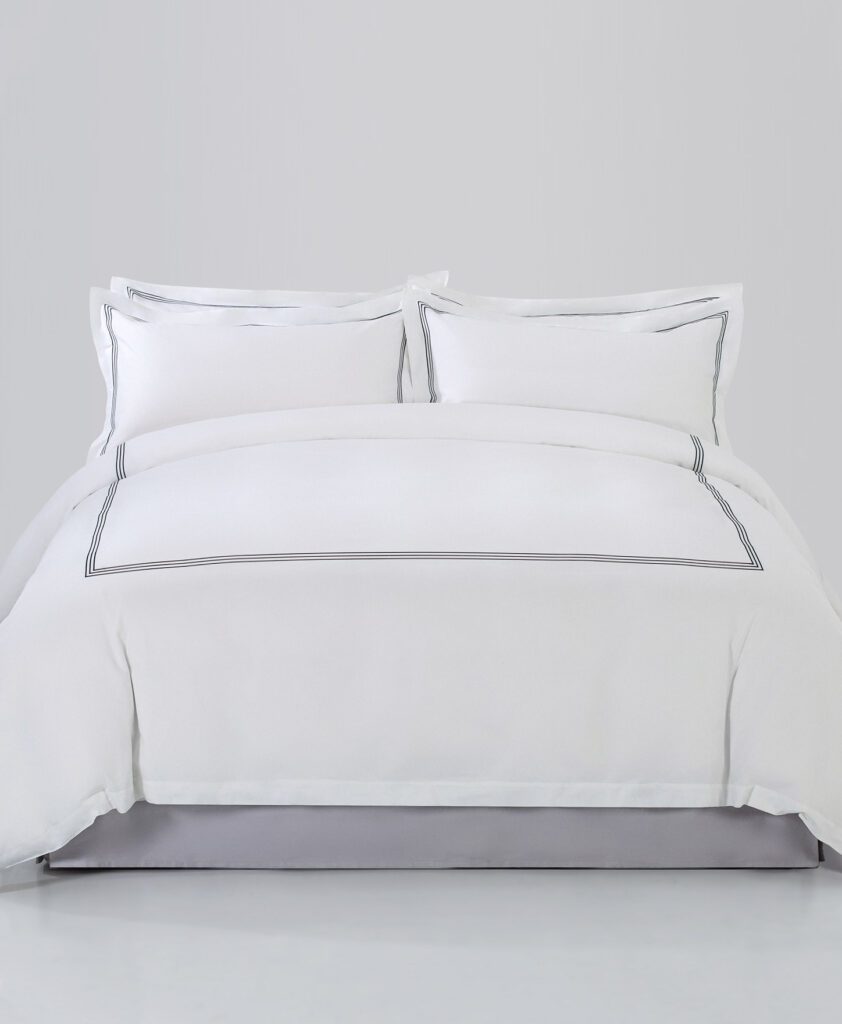
Hotel Bedding Supplier Showcases Luxury Linens at PIR EXPO Moscow
Hotel Bedding Supplier Showcases Luxury Linens at PIR EXPO Moscow In the world of hospitality,…
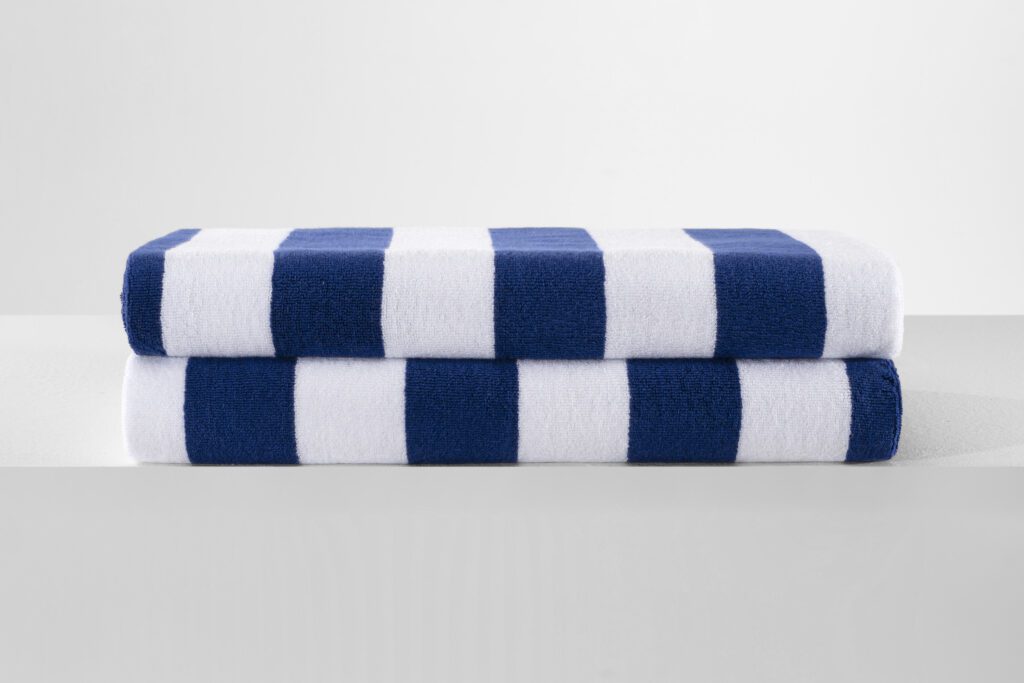
The Ultimate Striped Beach Towel: Comfort, Style, and Durability by GALAXY
The Ultimate Striped Beach Towel: Comfort, Style, and Durability by GALAXY Few items represent leisure…
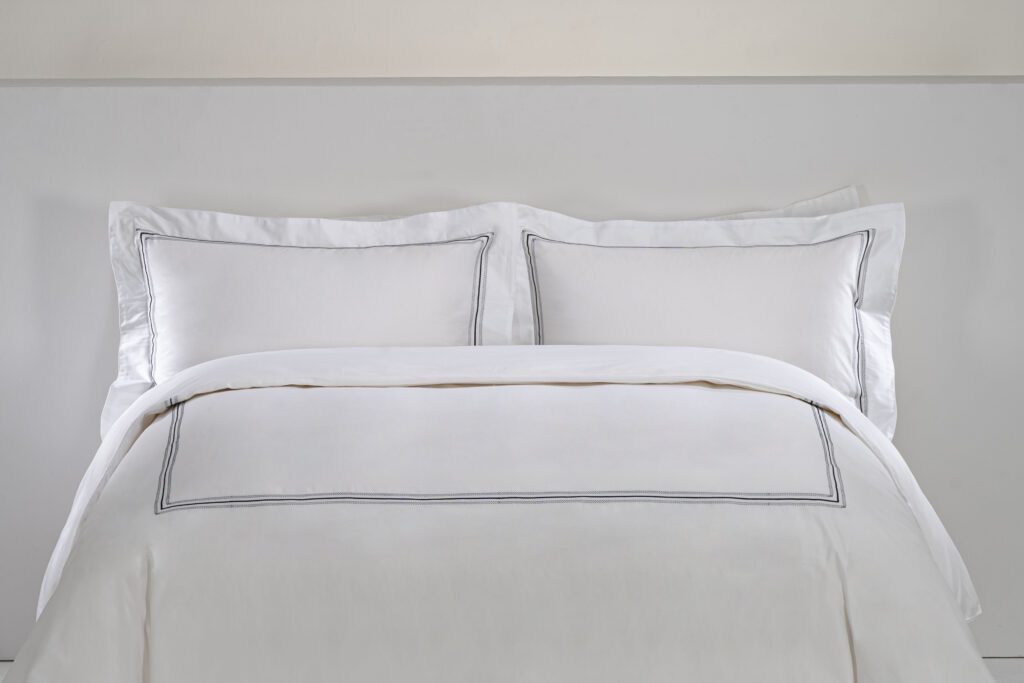
Galaxy Showcases Groundbreaking Embroidered Bedding Designs at Riyadh Hospitality Expo
Galaxy Showcases Groundbreaking Embroidered Bedding Designs at Riyadh Hospitality Expo Riyadh, Saudi Arabia – April…