
Hotel Uniform Procurement Guide: Fabric, Durability & Supplier Standards
Published by Galaxy Hotel Supplies | For Hotel Procurement Managers
Hotel uniforms are a brand statement worn by every member of your team, every day. They communicate professionalism, reinforce brand identity, and directly influence how guests perceive your property from the moment they arrive. A well-dressed front desk team signals attention to detail. Worn, faded, or ill-fitting uniforms send the opposite message — regardless of how much you’ve invested in everything else.
Yet uniform procurement is one of the most underestimated categories in hotel purchasing. Unlike linen and towels, uniforms must perform across vastly different work environments — from the kitchen to the lobby to the pool deck — while maintaining a consistent appearance, surviving repeated industrial laundering, and meeting occupational health and safety requirements.
This guide gives hotel procurement managers a structured framework for sourcing hotel uniforms: fabric selection by department, durability standards, fit and sizing considerations, supplier evaluation, and the key questions to ask before signing a uniform supply contract.
1. Why Hotel Uniform Procurement Is Different
Uniform procurement differs from standard linen sourcing in several important ways:
Multiple departments, multiple requirements. Front office, housekeeping, food and beverage, kitchen, spa, security, and maintenance all have different functional needs — fabric, cut, color, and durability requirements vary significantly across departments.
Brand consistency is non-negotiable. Every uniform must reinforce your visual identity — color accuracy, logo placement, and finishing quality must remain consistent across large orders and over multiple reorder cycles.
Staff comfort affects performance. Uniforms that are uncomfortable, poorly fitted, or impractical for the work being done reduce staff morale and productivity. Procurement decisions made without input from department heads and staff representatives often result in costly replacements.
Occupational requirements apply. Kitchen and maintenance uniforms must meet safety standards — flame resistance, slip resistance, and durability under harsh conditions are functional requirements, not preferences.
2. Fabric Selection by Department
The right fabric for each department balances appearance, comfort, durability, and functional performance.
Front Office & Guest-Facing Roles (Reception, Concierge, Bell Staff)
These roles require uniforms that look sharp throughout a full shift, project brand authority, and withstand light to moderate daily wear.
Recommended fabrics:
- Polyester-viscose blend (65/35 or 70/30): The hotel industry standard for front office uniforms. Holds its shape, resists creasing, drapes well, and launders easily. Cost-effective across large teams.
- Wool-polyester blend: Premium option for luxury properties. Better breathability and a more tailored appearance. Higher cost and more demanding care requirements.
- Stretch polyester or polyester-spandex blend: Increasingly popular for front office roles requiring extended standing. Comfortable, shape-retaining, and professional in appearance.
Key properties to specify: Wrinkle resistance, colorfastness to light and laundering, shape retention after repeated washing.
Food & Beverage (Restaurant Staff, Bar, Room Service)
F&B uniforms must look presentable throughout service while resisting spills, food stains, and the physical demands of a busy service environment.
Recommended fabrics:
- Cotton-polyester blend (65/35): Breathable enough for active service roles, durable, and easy to launder at high temperatures. Good stain release properties.
- Moisture-wicking polyester: For high-activity roles — buffet stations, busy bars — where temperature regulation matters.
- Linen-blend fabrics: Popular in boutique and lifestyle hotels for a relaxed, contemporary F&B aesthetic. Requires more careful laundering and wrinkles more easily than synthetic blends.
Key properties to specify: Stain resistance or release treatment, colorfastness to food-grade cleaning agents, breathability for warm service environments.
Kitchen & Back-of-House
Kitchen uniforms are functional garments first. They must protect staff, meet food safety requirements, and survive the harshest laundering conditions in the hotel.
Recommended fabrics:
- 100% cotton or cotton-dominant blend: Required for chef jackets and kitchen whites. Cotton is heat-resistant and breathable — critical in high-temperature kitchen environments. Polyester melts under intense heat and is unsuitable for kitchen use.
- Flame-resistant (FR) treated cotton: For roles near open flames or high-heat equipment. FR treatment must be verified as durable through repeated laundering — not just applied to the surface of new garments.
Key properties to specify: Heat resistance, colorfastness to bleach and strong detergents (kitchen linen is typically laundered with chlorine-based products), durability of FR treatment over wash cycles.
Compliance note: In many jurisdictions, kitchen uniforms must meet specific occupational health and safety standards. Confirm local requirements before finalizing specifications.
Housekeeping
Housekeeping uniforms endure the highest physical workload of any hotel department — constant movement, bending, lifting, and exposure to cleaning chemicals.
Recommended fabrics:
- Cotton-polyester blend (50/50 or 65/35): The most practical choice. Durable, breathable, and resistant to cleaning chemical degradation.
- Stretch cotton-polyester blend: Increasingly specified for housekeeping roles where freedom of movement is a priority. Four-way stretch fabrics significantly improve comfort during physical tasks.
Key properties to specify: Chemical resistance (particularly to bleach and surface disinfectants), freedom of movement, durability at high wash temperatures (60–75°C), pocket placement and functionality.
Spa & Wellness
Spa uniforms project calm, cleanliness, and brand refinement. Comfort and a premium appearance are equally important.
Recommended fabrics:
- Bamboo-cotton blend: Naturally soft, hypoallergenic, and antimicrobial. Well-suited to a wellness environment and increasingly valued by eco-conscious guests.
- Modal or Tencel blend: Exceptionally soft with a fluid drape. Requires more careful laundering than standard blends but delivers a premium aesthetic.
- Cotton-spandex blend: For therapist roles requiring physical flexibility. Comfortable, shape-retaining, and easy to launder.
Key properties to specify: Softness, hypoallergenic fiber content, colorfastness to massage oils and spa products.
Security & Maintenance
These uniforms must be durable, functional, and project authority or operational professionalism depending on the role.
Recommended fabrics:
- Ripstop polyester or nylon-cotton blend: High abrasion resistance, tear resistance, and durability for maintenance roles.
- Polyester-cotton twill: Standard for security uniforms. Professional appearance, durable, and easy to maintain.
Key properties to specify: Abrasion resistance, durability of seams and pocket reinforcement, compatibility with high-temperature industrial laundering.
3. Key Fabric Performance Standards
When evaluating fabric specifications from suppliers, request test data for the following performance criteria:
| Test | Standard | Why It Matters |
|---|---|---|
| Colorfastness to washing | AATCC 61 / ISO 105-C06 | Prevents fading and color transfer in laundering |
| Colorfastness to light | AATCC 16 / ISO 105-B02 | Prevents fading in lobby and outdoor environments |
| Colorfastness to rubbing | AATCC 8 / ISO 105-X12 | Prevents color transfer onto guest-contact surfaces |
| Dimensional stability (shrinkage) | AATCC 135 / ISO 6330 | Ensures uniforms retain sizing after repeated washing |
| Pilling resistance | ASTM D3512 / ISO 12945 | Maintains professional appearance over time |
| Tensile strength | ASTM D5034 / ISO 13934 | Confirms fabric durability under physical stress |
| Flame resistance (kitchen/maintenance) | NFPA 701 / EN ISO 15025 | Safety compliance for high-risk environments |
Requirement: Ask suppliers to provide test reports from accredited third-party laboratories — not self-certified data. Test reports should reference the specific fabric used in your uniform, not a generic fabric from the same supplier range.
4. Construction & Finishing Quality
Premium fabric can be undermined by poor garment construction. Inspect these details on every sample:
Seams & Stitching
- Stitch density: 12–14 stitches per inch is standard for workwear durability
- Double-stitched or flat-felled seams at high-stress points (underarm, crotch, pocket openings)
- Reinforced bar tacking at pocket corners and belt loops
- Overlocked raw edges to prevent fraying during industrial laundering
Buttons, Zippers & Fasteners
- Buttons should be heat-set and tested for resistance to industrial laundering temperatures
- Metal zippers should be rust-resistant (YKK or equivalent quality)
- Hidden or recessed fasteners for guest-facing roles where aesthetics matter
Pockets & Functional Details
- Pocket placement should be confirmed with department heads — not just designers
- Housekeeping and maintenance uniforms require deep, reinforced pockets
- Pen loops, badge holders, and tool attachment points where operationally relevant
Logo & Branding Application
- Embroidery: Most durable for logos; withstands industrial laundering without degradation. Specify thread count and backing type.
- Heat transfer print: Faster and cheaper; less durable — avoid for uniforms laundered at high temperatures
- Woven labels: Preferred for brand identity elements that must remain sharp over the uniform lifespan
- Color accuracy: Require Pantone color matching for all branding elements; verify against brand guidelines
5. Fit, Sizing & Inclusivity
Uniform fit directly affects staff comfort, professional appearance, and morale. Procurement decisions made without adequate size range and fit testing frequently result in staff dissatisfaction and early replacement cycles.
Size range: Ensure your uniform specification covers the full size range of your team. Standard size ranges (S–XXL) are often insufficient for diverse workforces. Consider extended sizing (XS–4XL) and confirm availability with your supplier before committing.
Gender-inclusive options: Many hotel groups now specify gender-neutral or gender-inclusive uniform options alongside traditional gendered cuts. Discuss this with department heads and HR before finalizing specifications.
Fit trials: Before bulk ordering, run a fit trial across a representative cross-section of staff from each department. Collect structured feedback on comfort, range of movement, and practicality. This step prevents costly post-order modifications.
Regional sizing variation: If procuring for multiple properties across different regions, note that sizing standards vary significantly between markets. Confirm whether your supplier’s size chart is based on European, US, or Asian sizing conventions, and adjust accordingly.
6. Industrial Laundering Compatibility
Hotel uniforms are laundered industrially — high temperatures, strong detergents, and mechanical stress that would destroy domestic garments within months. Laundering compatibility is a non-negotiable procurement requirement.
Confirm with your supplier:
- Maximum wash temperature for each garment category
- Compatibility with alkaline detergents and, where applicable, chlorine-based products (kitchen and housekeeping)
- Tumble drying compatibility and maximum drying temperature
- Expected lifespan in wash cycles under industrial laundering conditions
- Whether any finishes (wrinkle resistance, FR treatment, stain release) are durable through repeated industrial washing
Benchmark lifespans:
- Front office uniforms: 100–150 wash cycles
- F&B uniforms: 80–120 wash cycles
- Kitchen and housekeeping uniforms: 150–200 wash cycles (heavier fabric, higher durability requirement)
Laundering protocol documentation: Request a written laundering protocol from your supplier for each uniform category. Share this with your laundry team before uniforms go into service.
7. Supplier Evaluation Checklist
- [ ] Do they specialize in hospitality uniforms, or is workwear a peripheral product category?
- [ ] Can they supply the full size range required across all departments?
- [ ] Do they offer OEM/custom design services, including Pantone color matching and logo application?
- [ ] Can they provide fabric performance test reports from accredited laboratories?
- [ ] What is their MOQ per style and colorway?
- [ ] What are their lead times for first orders and repeat orders?
- [ ] Can they guarantee color consistency across multiple reorder cycles?
- [ ] Do they hold relevant certifications (OEKO-TEX®, ISO 9001)?
- [ ] Can they provide references from hotel clients of comparable size and tier?
- [ ] What is their policy on defective garments and sizing replacements?
8. Pre-Order Protocol
- Define requirements by department — involve department heads and HR before approaching suppliers
- Request fabric swatches and test reports — evaluate performance data before committing to a fabric specification
- Order fit samples in the full size range — not just medium or large
- Run a structured fit trial — across representative staff from each department, with written feedback
- Conduct a wash test — run samples through your industrial laundry protocol for 20+ cycles before approving
- Confirm logo application durability — wash test branded samples specifically to verify embroidery or print integrity
- Pilot order before full commitment — 10–20% of total requirement, deployed in one department or property
- Document all specifications in the purchase order — fabric composition, GSM, color references (Pantone), sizing breakdown, logo placement, and certification requirements
Summary
Hotel uniform procurement is a category where the gap between a good decision and a poor one is measured in staff morale, brand consistency, and total cost of ownership over a multi-year uniform program.
The right approach starts with department-specific fabric selection, validated by performance test data and fit trials — not just aesthetics or unit price. Construction quality, laundering compatibility, and supplier reliability must all be confirmed before a purchase order is issued.
A well-executed uniform program delivers consistent brand presentation, comfortable and productive staff, and durable garments that hold up across hundreds of wash cycles. Applied to every procurement cycle, this framework ensures your uniform investment supports both your brand and your team.
Galaxy Hotel Supplies manufactures custom hotel uniforms for front office, F&B, housekeeping, kitchen, and spa departments — serving hospitality brands across more than 30 countries. Contact our team for fabric samples, custom design consultation, or a bulk quote.
- #HotelProducts
- #HospitalityTrends
- #HotelBranding
- #B2BHospitality
- #LuxuryHotelBedding
- #CommercialTextiles
- #LuxuryHotels
- #HotelDesign
- #HotelStyle
- #LuxuryTowels
- #HotelRoomDesign
- #HotelManagement
- #PremiumLinens
- #ShowroomTour
- Eliya
- #HotelDecor
- Galaxy
- #GuestSatisfaction
- #HospitalityLinen
- #HospitalityExpo
- #HotelComfort
- #LuxuryHotelSupplies
- #LuxuryLinens
- #HotelIndustry
- #LuxuryHotel
- #HotelAmenities
- #TradeShow
- #HospitalityTextiles
- #HotelTowels
- #HospitalityDesign
- #LuxuryBedding
- #HotelBedding
- #HotelLinens
- #HotelOperations
- #GALAXYHotelSupplies
- #HotelLinen
- #LuxuryHospitality
- #GuestComfort
- #GuestExperience
- #HotelTextiles
- #HotelProcurement
- #HospitalityIndustry
- #HospitalitySupplies
- #HotelSupplies
- #GALAXYHospitality

Experience Luxury with Guangzhou Galaxy Hotel Supplies
Welcome to Guangzhou Galaxy Hotel Supplies, and your one-stop destination for high-class hotel products. With…
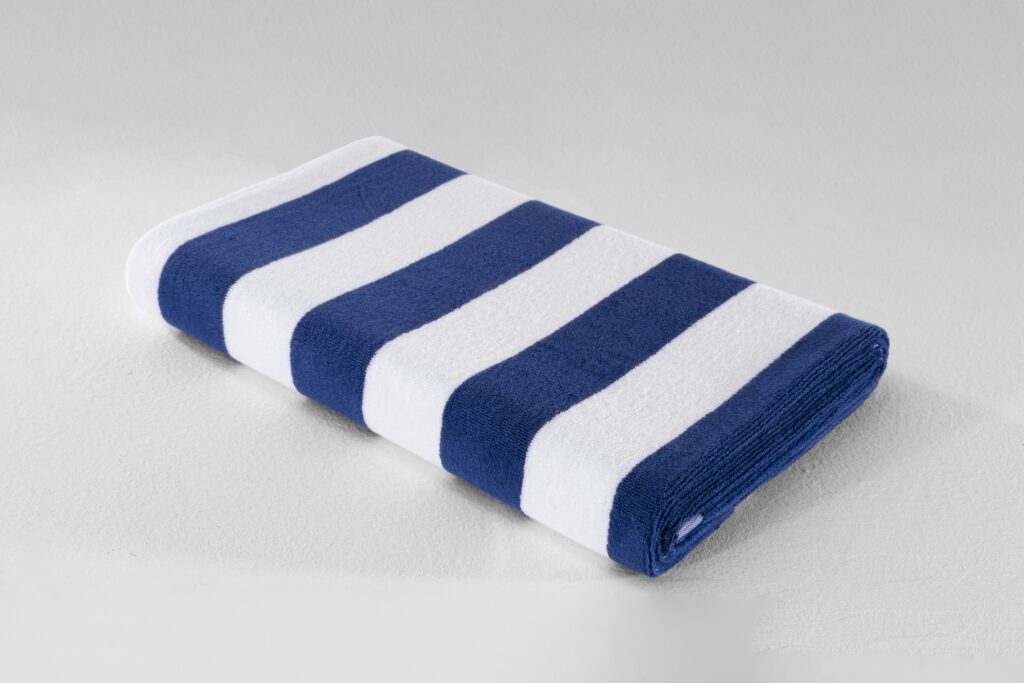
Striped Beach Towels Wholesale – Timeless Style Meets Functionality
Striped Beach Towels Wholesale – Timeless Style Meets Functionality When it comes to creating a…
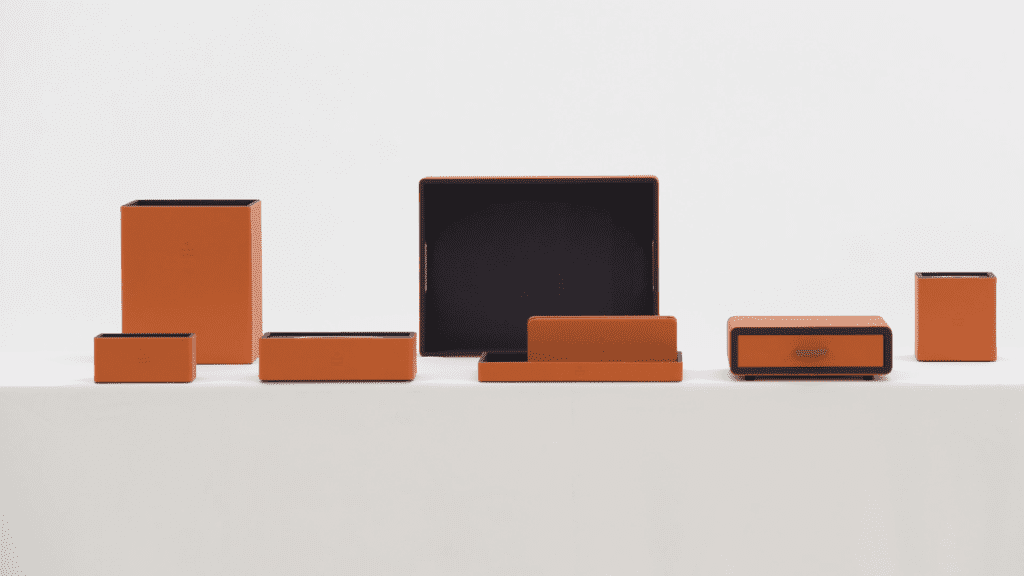
The Small Details That Define Luxury
The Small Details That Define Luxury In the fiercely competitive world of luxury hospitality, the…
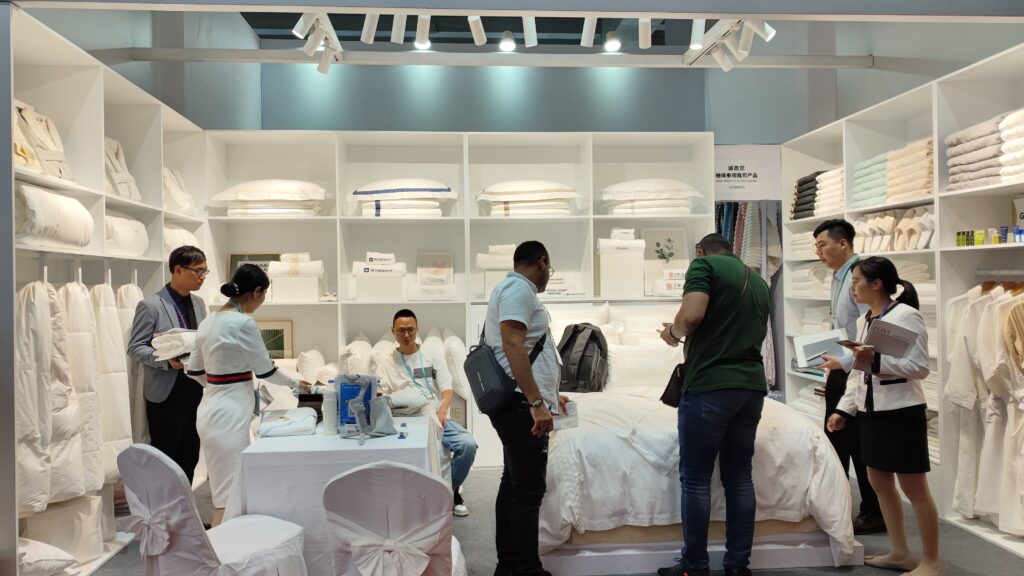
Exploring the Dubai Hotel Show: A Comprehensive Review of Hotel Trends and Products
https://galaxyhotelsupplies.com/wp-content/uploads/2024/04/迪拜展览回顾_x264.mp4 Participating in the Dubai Hotel Show: A Review Attending the Dubai Hotel Show was…
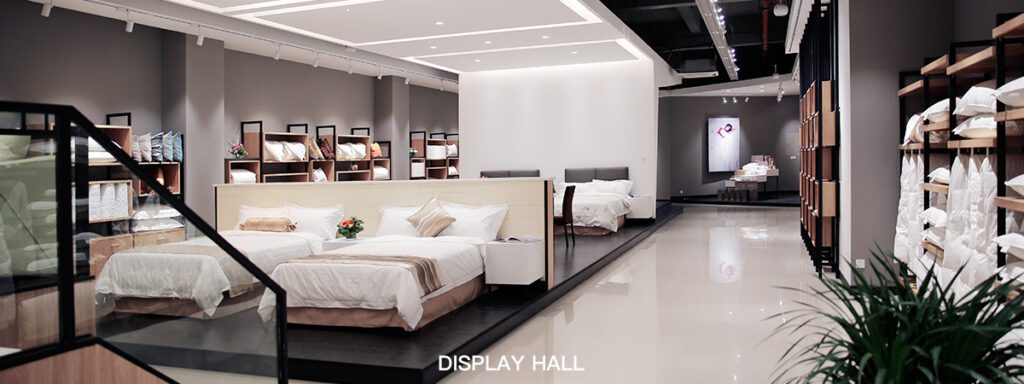
Strategic Sourcing: Maximizing Value in Bulk Hotel Linen Sourcing Solutions
https://galaxyhotelsupplies.com/wp-content/uploads/2026/06/zhanting.mp4 Strategic Sourcing: Maximizing Value in Bulk Hotel Linen Sourcing Solutions Selecting textiles for a…
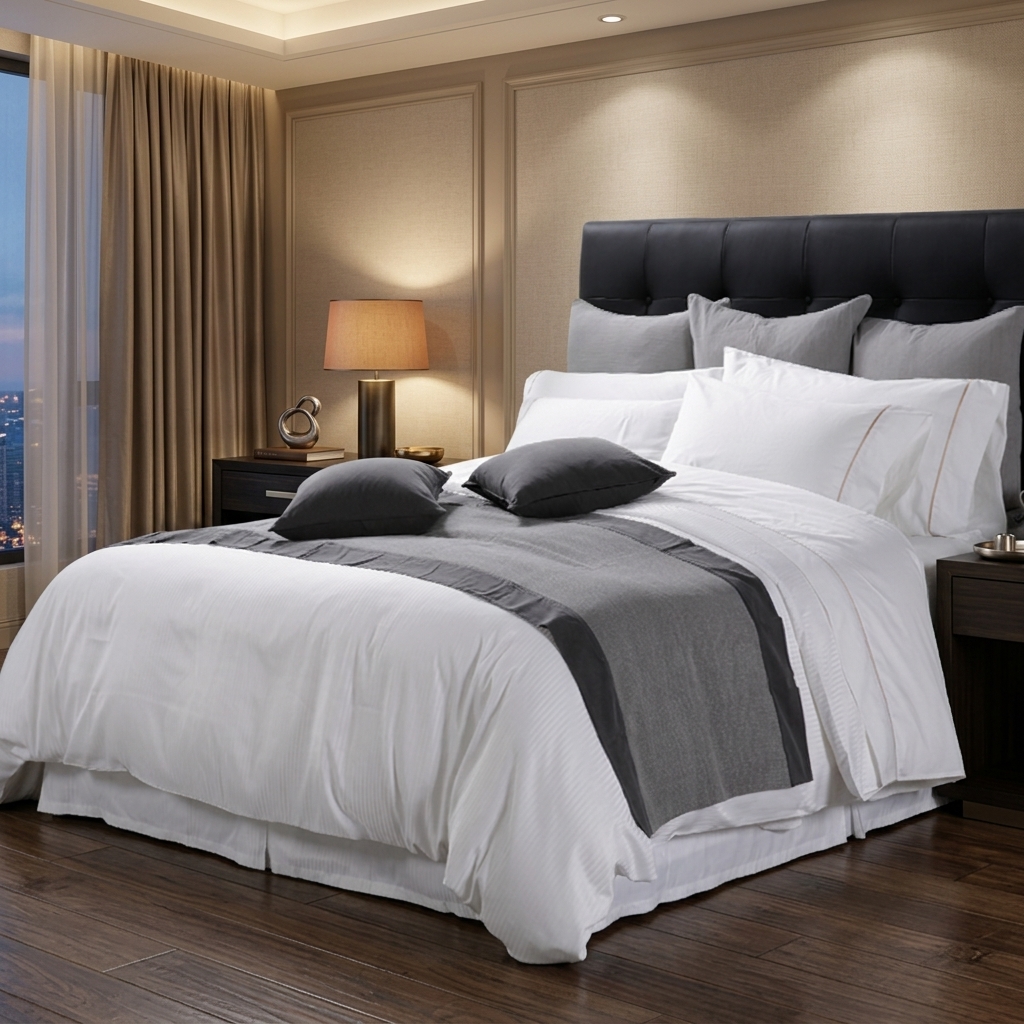
Everything Your Hotel Needs: Maximizing Efficiency in Hospitality Procurement
Discover why modern hotel groups are abandoning fragmented purchasing models. Learn how centralized showroom sourcing…