A New Era for US Hotel Supplies: The Ripple Effects of Tariff Relief
The recent breakthrough in US-China trade negotiations, marked by easing tariffs on key hospitality products, has sparked a transformation in the American hotel supplies market. Beyond immediate cost reductions, this shift is reshaping supply chains, reviving investments, and driving long-term growth for hoteliers. Here’s a closer look at the multifaceted impacts

1. Lower Procurement Costs, Stronger Hotel Margins
High tariffs (previously up to 145% on Chinese-made furniture, bathroom hardware, and smart devices) had inflated US hotel renovation and operation costs by 5–10%. With tariffs easing, hoteliers now access cost-effective imports—from sanitary ceramics (841 million USD in 2024 exports) to smart guest control systems—reducing expenses and boosting profit margins. This relief also eases broader inflationary pressures, restoring consumer and business spending power to support hotel demand
2. Supply Chain Stabilization: Back to Reliable Partners
To avoid tariffs, many US hotels shifted to Vietnam or Mexico, only to face capacity gaps (Vietnam handles just 30% of China’s hotel supplies output) and delayed deliveries (36+ weeks vs. China’s 12–16 weeks). Tariff relief now reconnects hoteliers with China’s mature supply chain—responsible for 32% of global hotel supplies exports—ensuring stable access to quality products and cutting costly supply chain overhauls
3. Revived Renovation and Development Projects
Soaring costs from prior tariffs had frozen hotel upgrades, but relief is unlocking pent-up demand. Hotels are now restarting renovations—from smart guest room retrofits to green energy upgrades—driving demand for premium items like custom mattresses, commercial kitchen equipment, and smart bathroom hardware. This surge in projects fuels growth across the hotel supplies sector
4. Chinese Suppliers: Innovating for Long-Term Partnerships
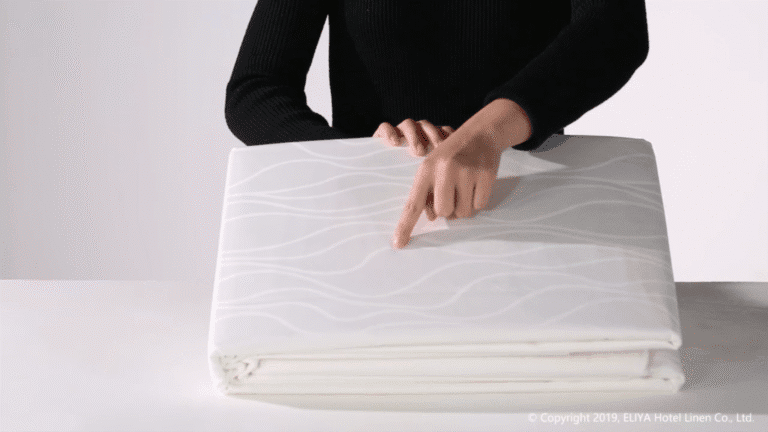
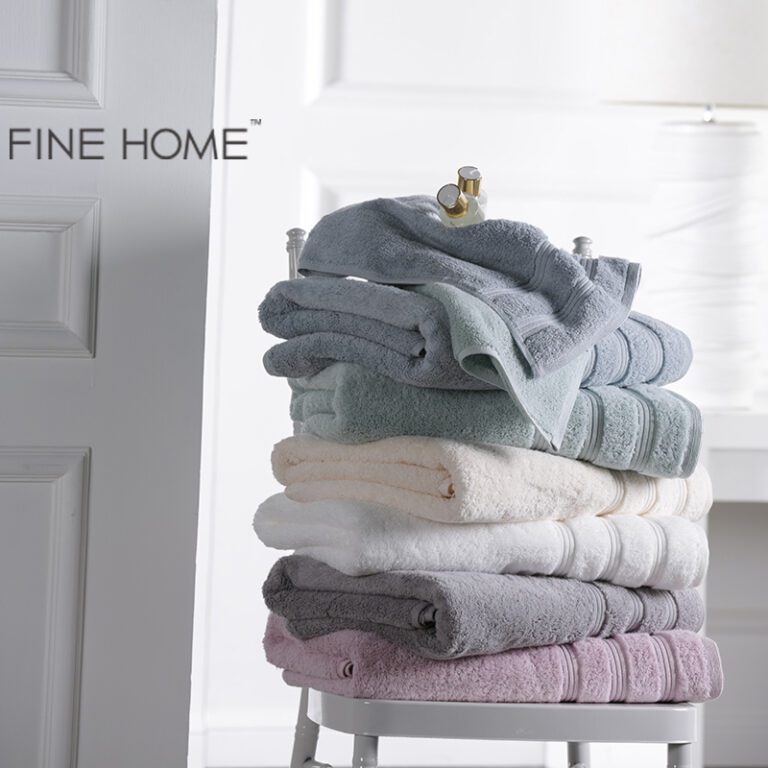
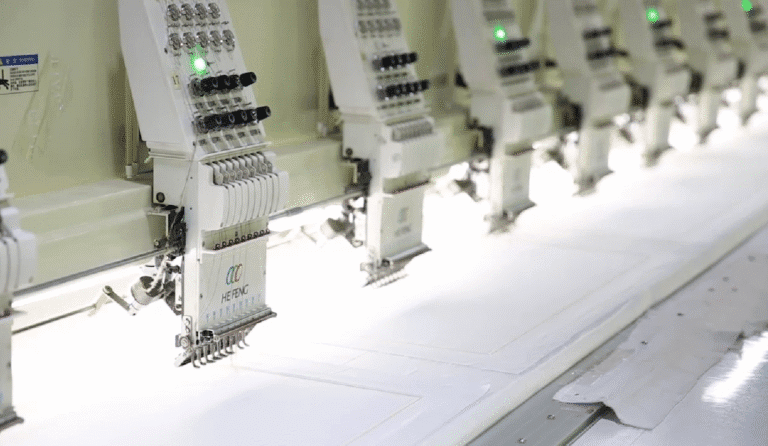
Chinese manufacturers, previously hit by order declines (some sectors saw 50% drops in 2024), are now reinvesting in R&D. From organic cotton bed linens to AI-powered guest control systems, they’re developing high-value, customized solutions (e.g., branded embroidered bed linens) that align with US hotels’ branding and sustainability goals. This innovation strengthens partnerships and positions China as a leader in premium hospitality products


5. Boosting Guest Experiences and Occupancy Rates
Lower costs empower hotels to enhance guest offerings—upgrading bed linens, adding premium toiletries, or reducing room rates. With US hotel occupancy at 47.7% and revenue per available room down 6.5% in 2024, these improvements attract travelers, boosting occupancy and creating a positive cycle of demand for better supplies
Conclusion: A Win-Win for Hoteliers and Suppliers
The US-China tariff relief isn’t just a short-term fix—it’s a catalyst for a more resilient, innovative hotel supplies market. For American hoteliers, it means lower costs, stable supply chains, and happier guests. For Chinese suppliers, it’s an opportunity to deepen partnerships and lead in premium, sustainable solutions.
Explore tailored supply solutions for your hotel: Galaxy Hotel Supplies